


Gateway Integration
Full DPP support on RDK-B gateways via OneWiFi integration































WPS, manual password entry, and captive portals each carry risks that grow worse as device counts increase. Here is what engineering and product teams are running into.
WPS PINs are vulnerable to brute-force attacks, creating security risks for IoT deployments.
Manually entering SSIDs on hundreds of headless IoT devices is error-prone and doesn't scale.
Headless IoT devices can't use captive portals, making onboarding difficult and unreliable.
Modern IoT needs secure, scalable, automated onboarding without passwords or manual setup.

Wi-Fi Easy Connect, standardized by the Wi-Fi Alliance under the Device Provisioning Protocol,is a secure and modern way to onboard Wi-Fi devices, without exposing passwords. Instead of sharing Wi-Fi credentials manually, DPP uses secure public-key encryption to authenticate and connect devices automatically.




Every capability listed here is grounded in production implementations validated on real hardware.
Full DPP support on RDK-B gateways via OneWiFi integration

IoT devices can onboard securely without a screen or a button.

Mobile app for device discovery, provisioning, and onboarding management.

Automatic onboarding without
physical access or QR scanning.

Fixes for common DPP reliability issues
including channel instability and
timeout problems.

REST APIs and WebUI integration for real-time provisioning visibility and management.
ThinkPalm's DPP implementation addresses specific engineering and business needsacross four buyer segments.
Launching Wi-Fi 6E/7 gateways or mesh products?
ThinkPalm helps integrate DPP into RDK-B environments faster and with lower engineering risk.
Every provisioning support ticket costs $8–$12 to resolve. Reduce onboarding support calls and improve subscriber experience with secure self-service provisioning.
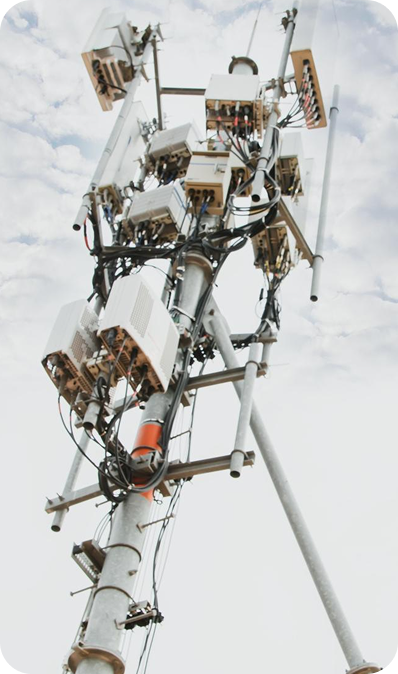
Deliver a smoother setup experience for smart home users while meeting Matter and Wi-Fi certification requirements.
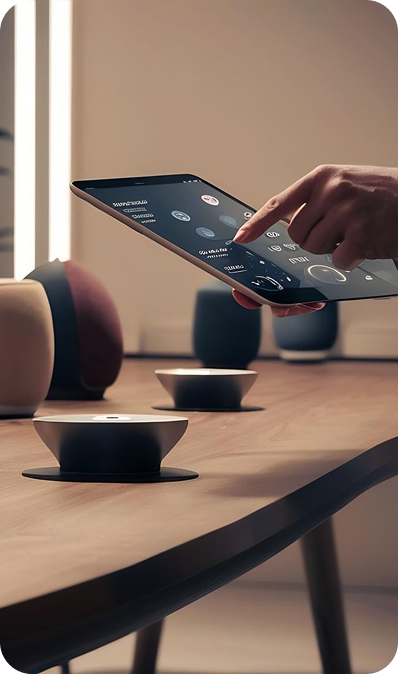
Provision devices in warehouses, factories, outdoor locations, and hard-to-reach installations — without manual setup.

ThinkPalm implements both QR and BLE bootstrapping on the same underlying DPP authentication and credential delivery flow. The method you choose depends on your device form factor and deployment environment — or you can ship both.
Scan a device QR code to trigger secure DPP onboarding — no Wi-Fi password exchanged at any point.
WHAT WE DELIVER
Devices advertise their provisioning identity over BLE — discovered and onboarded automatically, no physical access or line-of-sight needed.
WHAT WE DELIVER
Request a personalized walkthrough of QR and BLE-based DPP onboarding for your device ecosystem.
 Wireless Testing
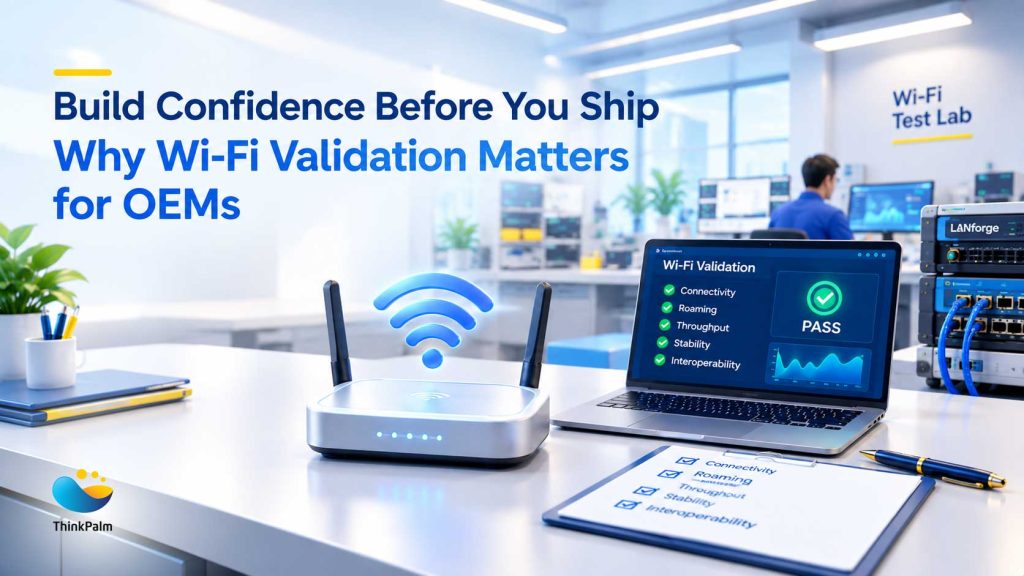
A Wi-Fi gateway can pass every internal QA checkpoint, ship on schedule, and still fail the moment it reaches a...
 Wireless Testing
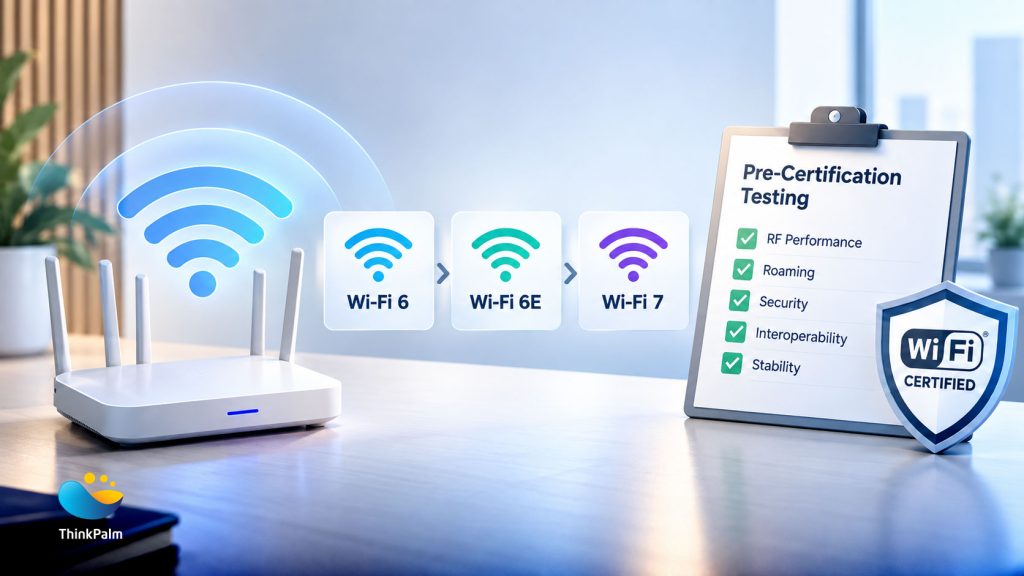
Across our certification cycles spanning Wi-Fi 6, Wi-Fi 6E, and now Wi-Fi 7, one lesson has proven itself repeatedly: the...
 Agentic AI
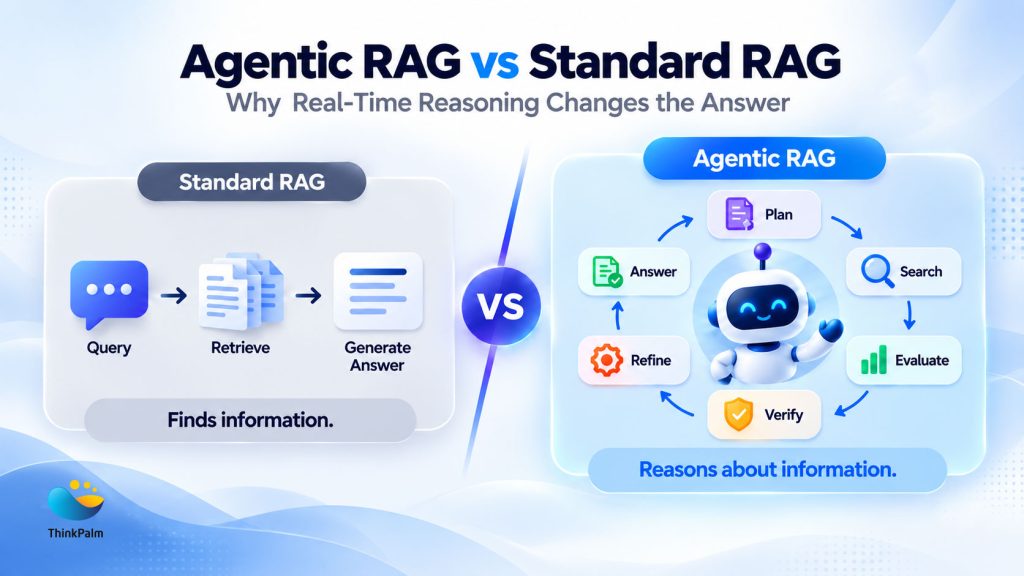
Imagine you ask an enterprise AI assistant a simple question, and it usually gets the answer right. But if you...
Yes. DPP is specifically designed for devices without screens, keyboards, or user interfaces. Devices can be securely onboarded using QR codes or BLE, making it ideal for sensors, cameras, gateways, smart home products, and industrial IoT devices.
Yes. DPP can be integrated into RDK-B gateways to enable secure device onboarding without requiring users to enter Wi-Fi passwords. ThinkPalm's implementation supports DPP integration through the OneWiFi framework, reducing development effort and deployment risk.
DPP supports multiple bootstrapping methods, including QR codes and Bluetooth Low Energy (BLE). QR codes work well for consumer devices, while BLE is ideal for headless, ruggedized, or hard-to-reach IoT devices where physical access is limited.
Yes. DPP is well-suited for modern Wi-Fi environments, including Wi-Fi 6E and Wi-Fi 7 networks. It provides a secure onboarding mechanism that aligns with current security requirements and simplifies device provisioning at scale.
Absolutely. By enabling secure self-service onboarding and eliminating manual Wi-Fi credential entry, DPP reduces provisioning errors, minimizes support tickets, and improves the end-user setup experience for both consumer and enterprise deployments.
Your details have been received. Our DPP experts will get back to you shortly — and a confirmation has been sent to your email.